
About
Manuals
Problems with a car’s Horn
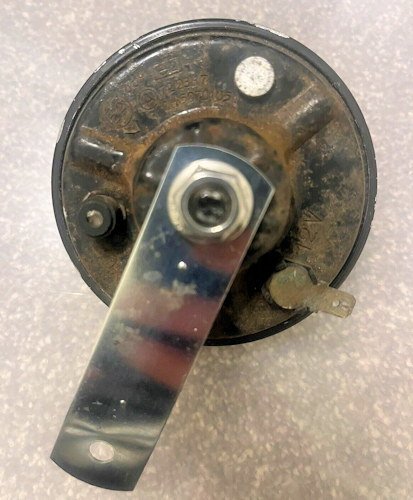
If the vehicle horn will not sound or is insufficiently loud or may continually sound.
Simple Guide.
Note some systems may only have a single horn or a pair of horns for a fault in wiring connecting the two horns. horns have two terminals, some only one. So also possible 1 horn may be at fault if insufficiently loud as they may also be a high and low tone pair.
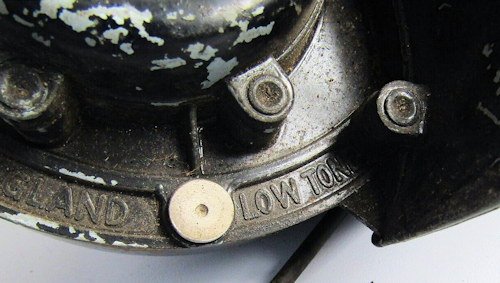
Common on early and old cars the horns are in an exposed position where they can cover in dust and mud, this may be the trouble. The way the horns are mounted affects the loudness. the body of the horn bracket may be badly corroded if an earth is linked direct to this clean the terminal here and re-check.
check with a power test lamp or meter to see if a full 12 volts. If the connector alive to earth the horn is faulty or is not properly earthed. Or disconnect the horn and to connect it directly to the battery to test. If no sound the horn is at fault or also note this could be due to a battery in a low state of charge but this can be discounted if the starter turns the engine normally.
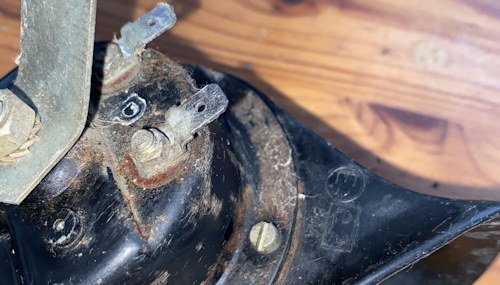
Note the horns may take a fairly heavy current to operate and if they are connected up with too thin wire to carry sufficient current the sound may be reduced especially if aftermarket fitment
Another possibility may be due to a faulty horn switch or to a short circuit on the earth side of the horn or else across the horn switch. If the horn is controlled by the ignition switch, On Older classic cars sometimes, an adjusting screw is provided, often when sound becomes so weak. Take the horn off the car and examine it to see if it has such a screw on the back of the horn, Check round the side of the horn or the nut in the centre of the front for this. Now turn the adjusting screw by trial and error until the horn sounds. if there is no adjustment the only satisfactory remedy is to fit an new horn which are not expensive but trace back the cables to check relay or circuit not at fault.
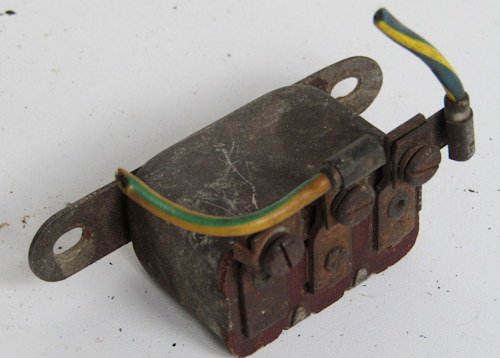
Basic check Overview
- Check for dirty blocked or water filled horn
- Check Earthing to horn
- Check For faulty switch horn push
- Check for badly wired horn
- Check for sufficient power and voltage
- Check for broken damage or rust
- Check for supply with ignition off and on, the horn should sound with ignition off but may be incorrectly wired or short circuit
- Check for relays if large horn
- Check for sticking faulty switch by disconnecting unit.
|
Featured
|
|

